Home care and concierge services are rapidly becoming the preferred choice for patients who value privacy and convenience. However, providing a hospital level of care in a home setting requires the right diagnostic tools. Mobile ultrasound has filled this gap, allowing physicians to perform high-quality cardiovascular examinations without the patient ever having to leave their house.
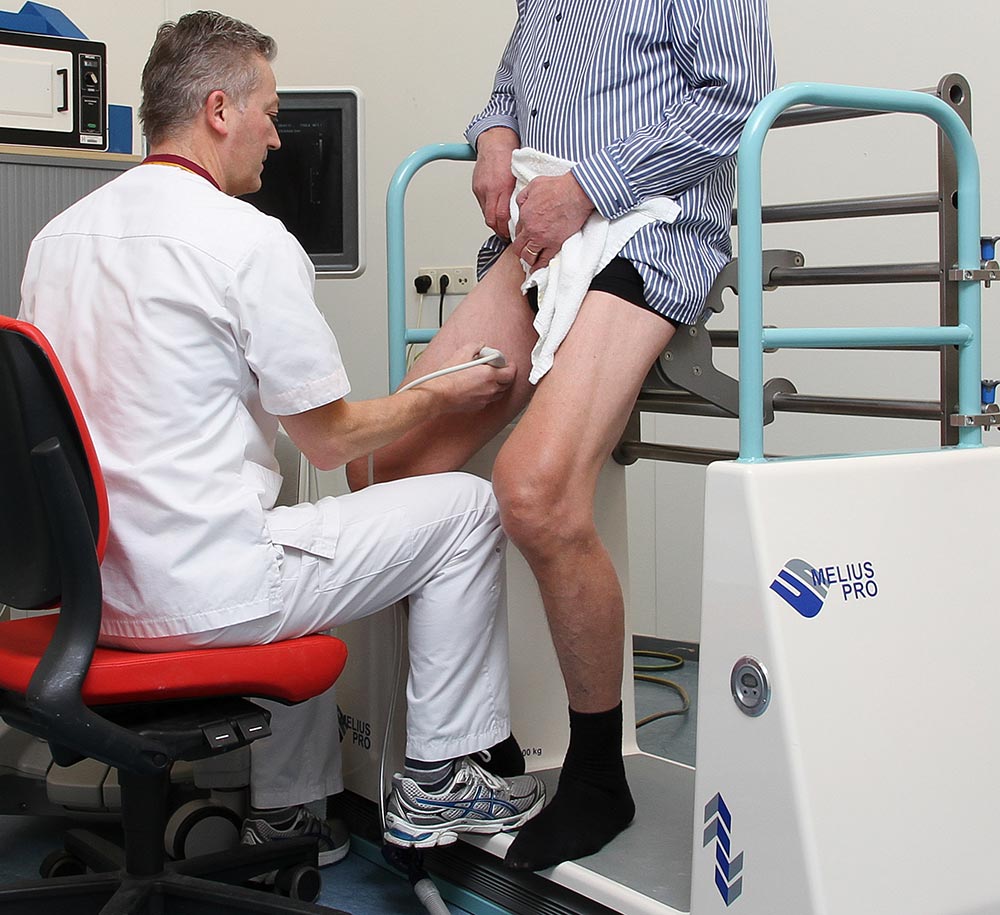
This approach is particularly beneficial for the management of chronic conditions that require frequent monitoring. By bringing the technology to the patient, healthcare providers can ensure that these individuals are being followed closely and that any changes in their condition are identified and addressed without any delay.
The Critical Importance of Vascular Ultrasound
A Vascular Ultrasound is one of the most important tools in a home care physician's arsenal. It allows for the non-invasive monitoring of the heart, the carotid arteries, and the peripheral vascular system. For patients with mobility issues or those recovering from a major medical event, having this capability at home is a vital part of their recovery and long-term health.
The accuracy of these tests is ensured by the use of state-of-the-art portable equipment and the expertise of certified sonographers. A Venous Duplex Ultrasound performed at the bedside can provide immediate clarity on the cause of leg pain or swelling, allowing for life-saving interventions in the case of a blood clot.
Managing Risk through Venous Duplex Ultrasound
For patients at a high risk of vascular disease, such as those with a history of smoking or diabetes, regular duplex scans are essential. These tests allow for the early identification of valvular reflux and other venous issues that could lead to serious complications if left unmanaged. In a home care setting, this proactive screening is the key to preventing the need for emergency medical care.
The Technical Edge of Vascular Ultrasound
The "duplex" function of the ultrasound provides a two-dimensional image of the blood vessel and its structure while simultaneously measuring the blood flow using Doppler technology. This combination gives the physician a complete picture of the patient’s vascular health. It is a highly sophisticated diagnostic technique that is now fully available in a mobile, home-based format.
Enhancing Comfort with Venous Duplex Ultrasound
For many patients, the physical and emotional toll of visiting a hospital for an imaging test can be significant. This is especially true for elderly patients or those with chronic pain. Performing a duplex scan in the patient’s own bed or chair significantly reduces this stress, making the diagnostic process a much more positive and human experience for everyone involved.
Optimizing Care with Vascular Ultrasound
Mobile diagnostics allow for a much more flexible and responsive care plan. If a patient develops a new symptom at home, the physician can quickly arrange for a mobile unit to visit and perform the necessary scans. This level of responsiveness is simply not possible in the traditional, centralized medical model, and it is a major reason why home care is growing so rapidly.
The data provided by mobile services is comprehensive and professionally interpreted by board-certified specialists. This ensures that the home care physician has the highest quality of information to work with when making clinical decisions. It is a model of care that combines the best of technology with the personal touch of a home visit.
Targeted Interventions with Venous Duplex Ultrasound
A duplex scan can be used to precisely locate a blockage or a leaky valve, allowing for more targeted and effective treatments. Whether the patient needs a change in medication, a referral to a vascular surgeon, or the introduction of specialized therapy, the ultrasound provides the necessary evidence to move forward with confidence.
Conclusion
Mobile diagnostic services are transforming the way we deliver care to patients in their own homes. By providing high-end medical technology in a portable and accessible format, we are making it possible to manage complex cardiovascular issues without the need for hospital visits. This is a major step forward for patient-centered and home-based medicine.
In conclusion, the integration of mobile ultrasound into home care and concierge medicine is essential for providing a high standard of care. It ensures that patients receive the diagnostic screenings they need in the environment where they are most comfortable. This is the future of healthcare: precise, mobile, and focused entirely on the individual's well-being and health outcomes.

No comments:
Post a Comment